- Executive Summary
- Introduction
- Who Takes Collective Action and What Motivates Them?
- Self-Perception
- Vision
- Perceived Impacts / Benefits
- Practical Examples
Appendix 1: Theoretical Background and Appendix 2: Interviews and Works Consulted (goes to a separate page).
Download a printable PDF of the guidebook (goes to a separate page).
Executive Summary
Climate communications can be an important tool to enable, motivate, and drive collective action. The most promising audience for enabling collective action are the Americans who are “alarmed” by climate change but currently not engaged in collective action. By addressing self-perception, vision, and perceived impact, climate communications can move people from inaction to engagement.
Self-perception includes self-efficacy and identity. Self-efficacy is the belief that you can take action. To encourage self-efficacy:
- Show people that you value their perspectives and experiences.
- Demonstrate how people can use their existing skills in your movement.
- Provide a clear single call to action and directions on how to participate.
- Minimize logistical barriers such as access to transportation.
- Don’t shame people for not knowing enough or having the “wrong” beliefs.
- Provide collaborative training and education that focuses on strengths.
- Trust participants to take the lead and use your resources.
To participate in an action, you must believe that people like you already participate in similar actions and they expect you to participate. To support identity:
- Build dialogue instead of one-way communication.
- Emphasize that people are not alone in their concern about climate change.
- Enable social participation and collaboration with others.
- Have communicators talk about shared identity and key values with the audience.
- Use language and examples that resonate with your audience.
- Tie climate change to other values that the audience holds, including social justice.
- Build collective identity, a person’s connection with a broader community.
- Have clear values, including accountability statements and follow-through actions.
- Build on pre-existing relationships.
- Create and emphasize affinity groups.
To participate, people must be able to see a vision that focuses on creating something good and describing a goal to move towards. You can communicate by evoking emotions and telling stories. To evoke emotions:
- For every challenge that you describe, share an encouraging counterpoint.
- Always present at least one practical, effective action people can take.
- Present empathy for negative emotions without emphasizing fear.
- Present hope as something that is earned.
Stories are how people make sense of their experiences and the world at large. Societies use cultural narratives to communicate worldviews and values. To tell stories effectively:
- Lead first with a shared value.
- Move towards stories emphasizing how the fossil fuel interests have manipulated and controlled our systems.
- Point out who created and reinforces these systems – use active voice.
- Provide opportunities for people to share their own stories.
- Help people form their own visions of the future.
- Tell stories of people in your community and communities who are taking action.
To motivate and enable action, we must show people that they can have an impact. People have to hold two major beliefs: 1) that a collective group can make change and 2) there will be a personal benefit. To build collective efficacy:
- Speak to people being involved in a broader community effort rather than having to do it on their own.
- Highlight and celebrate successes, especially stories of community actions.
- Show other people taking collective action.
- Don’t be modest about your organization’s or the movement’s wins.
- Help people see how they can use their own resources to solve the problem.
- Provide opportunities for people to build trust through collaborative projects.
- Demand changes that are specific, concrete, measurable, and significant.
- Choose goals and campaigns that are winnable.
- Show how the group’s work will shift power in a community for lasting change.
- Demonstrate how efforts can snowball and multiply beyond the sum of its parts.
- Demonstrate the legitimacy of the work you do and how it can change systems.
To demonstrate personal benefits:
- Build a sense of community
- Create opportunities for people to build ongoing relationships
- Organize community events that relate to your mission
- Provide messages around building community for audiences who tend to be more isolated
- Help people learn and practice skills
- Create an environment where anyone who wants to be a leader can do so.
- Promote opportunities for people to develop and practice desired skills.
- Trust people when they take on tasks.
- Provide opportunities to learn practical skills that serve your mission and people’s goals.
- Give people space to express themselves creatively
- Connect to nature / the land
- Embrace enjoyment and fun!
Introduction
Climate communications can be an important tool to enable, motivate, and drive collective action. Often climate communications focuses on explaining the science of climate, motivating people to care, or influencing individual behaviors. This guide focuses on communication in the context of collective action. Collective action is any action taken with other people to move towards group goals, especially those that benefit the larger community. For climate, collective action can be for adaptation, reducing emissions, or both. It can focus on building physical or social infrastructure and/or changing business practices or policy (local, state, or federal).
Who takes collective action and what motivates them?
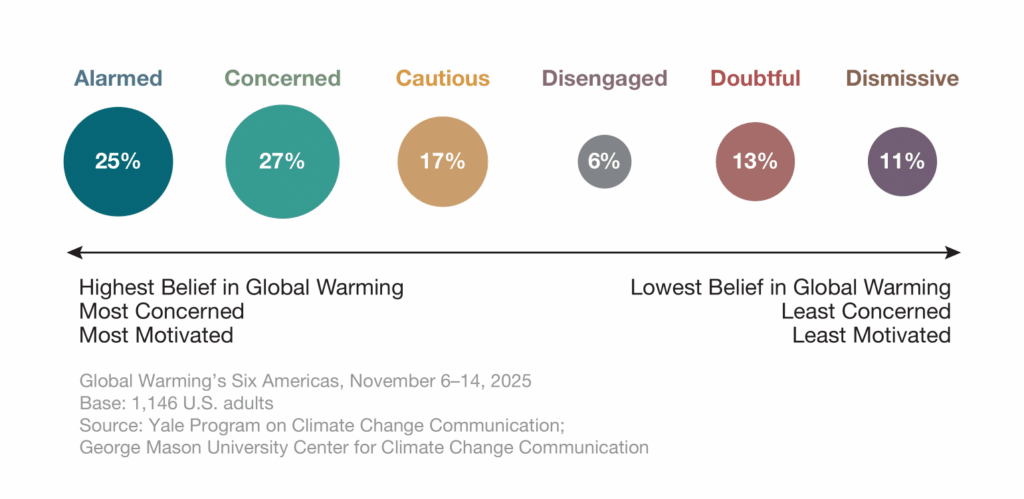
According to the latest Six Americas report from the Yale Program on Climate Change, 26% of Americans say they are “alarmed” about climate change. However, only 7% of people have joined a campaign to persuade elected officials to take action. These best practices are to enable action in that 19% of the U.S. population who are alarmed, but not yet engaged.
Most reasons to take action are unrelated to a lack of information or belief. In a UPenn study that did a head-to-head comparison of strategies to motivate action, researchers found that giving people information about minimizing their carbon footprint did not improve their intentions to act. In fact, pro-environmental beliefs are not strongly associated with action. Often, people will choose the action that is easier, cheaper, or serves their social motives even if it conflicts with environmentalism.
Instead, behavior is largely driven by people’s beliefs about themselves and the opinions of people they care about. As laid out in the social science research (see Appendix B for more details), when people act, they consider risks and benefits, their beliefs about what other people expect of them (social norms), and their beliefs about the ability to do the action.
We can help shape that people’s mental and emotional space through communications. In studies of teenagers and young adults in Sweden, researchers found that people who were focused on solving specific problems to reduce their stress around the climate (often through individual action) were more likely to have higher climate anxiety than people who were focused on finding meaning in the action itself. The approaches described here focus on helping people find inherent meaning in action and minimizing burnout.
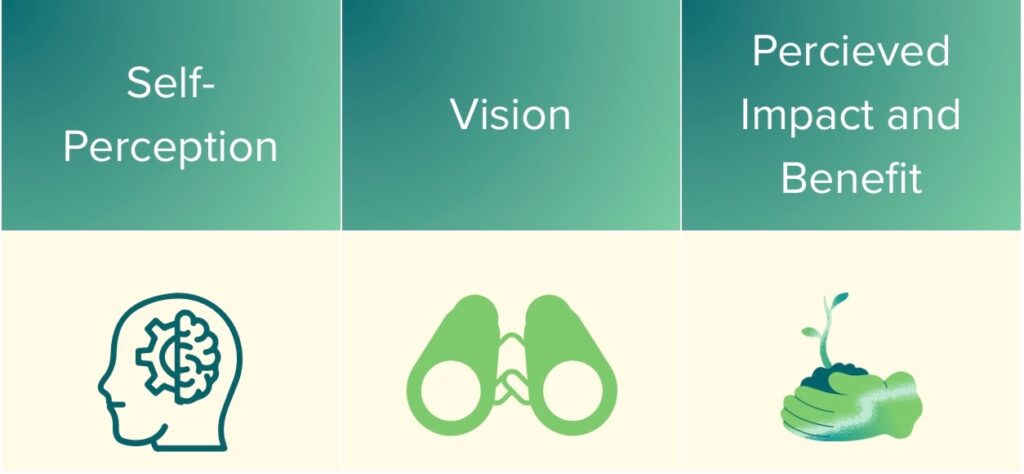
There are three areas that climate communication can and should address:
- Self-perception
- Vision
- Perceived impact
Self-perception
A big part of taking action is believing that you are capable of taking action, people like you take action, and that people expect you to take action.
Building self-efficacy
Self-efficacy is the belief that you are capable of taking action. Most people won’t take action if they think they won’t succeed.
Self-efficacy is often difficult in terms of climate change. The fossil fuel industry pushes narratives that attempting to switch away from fossil fuels is futile. In addition, corporations enforce a message that it is individuals’ responsibility to be “green” rather than recognize the systems that make individual choices difficult.
However, the UPenn study found that activities and messages that built self-efficacy led to more intentions to engage in advocacy, including signing petitions, contacting government officials, and participating in rallies. Similarly, a study looking at people participating in the March for Science found that the strongest relationship was between self-efficacy and intentions to participate in advocacy and improving self-efficacy had the greatest potential for increasing intentions to participate. In addition, self-efficacy builds on itself. As you participate, it increases your confidence, leads you to join actions in the future, and inspires others.
Tips to encourage self-efficacy:
- Be humble and listen to people. Show that you value their perspectives and experiences.
- Demonstrate how people can use their existing skills in your movement. As communicator Ali Wines said, “What are the tools that already exist in people’s kits and how can we retool them a little bit?’”
- Provide people with a clear single call to action and directions on how to participate.
- Minimize logistical barriers such as access to transportation.
- Don’t shame people for not knowing enough or having the “wrong” beliefs. As Denae Ávila-Dickson from the Sunrise Movement said: “It’s important not to exclude people who don’t have that knowledge and make them part of the fight.“
- Provide collaborative training and education to help build people’s confidence and skills. The training should build on strengths rather than focus on weaknesses.
- Make people the hero of the story (see more in the Vision section). As Unf*cking Our Climate Story states, people want to see themselves as protagonists. Invite people to participate in the story and change the ending.
- Trust participants. Organizers from 350.org have attributed their success in part to allowing local groups to use their logo and name without extensive oversight.
Speaking to identity
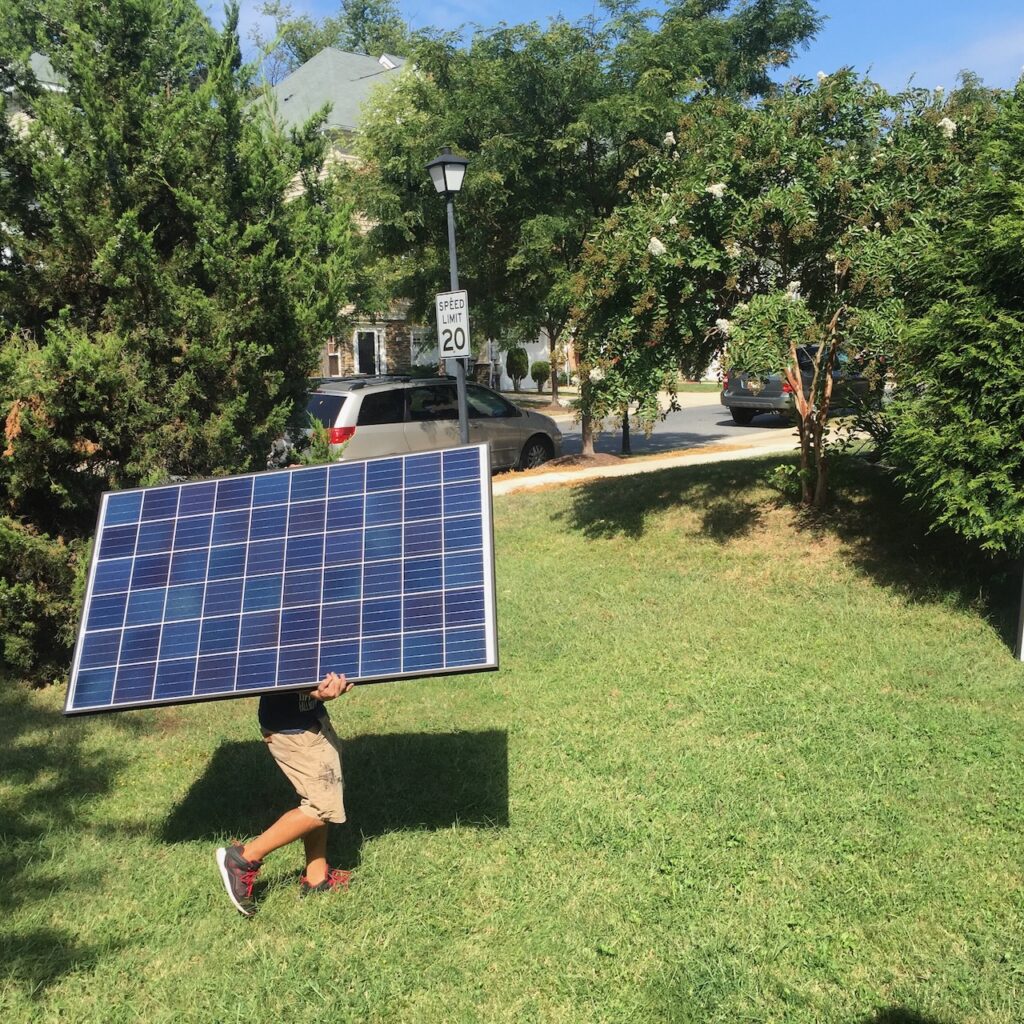
To participate in an action, you must believe that people like you already participate in similar actions and they expect you to participate. For example, the best way to convince people to install solar panels is for them to see them on neighbors’ roofs. In terms of barriers, one of the biggest misperceptions is the idea that “no one else cares.” In reality, 89% of the world’s population wants action on climate change and 26% of Americans are alarmed about it.
Other barriers relate to an individual’s personal characteristics. In a study about why people do or do not participate in science-related activities (which was wider than climate change), two of the three main barriers were lacking a sense of belonging and identity. (The top barrier was logistics, such as a lack of time, money, or opportunities.) These included feeling unwelcome in science-oriented spaces and feeling like those spaces didn’t include people of their race, gender, or cultural background. Hispanic and Black people were more likely to report experiencing these areas as barriers than white people.
On the other hand, many of the most effective interventions emphasize belongingness. Some scholars think that a sense of collective identity is necessary for a social movement to exist. Having an action tied to a person’s identity can also help them carry out that action even when things become difficult or risky.
While values alone aren’t the main driver for action, they can be an important part of identity and motivation. Linking together different values can strengthen motivation to act.
Tips for speaking to identity:
- Build dialogue instead of one-way communication. In one environmental organization that brought together groups with vastly different perspectives, having each participant tell a story of their life that explained what the land meant to them was essential.
- Emphasize that people are not alone in their concern about climate change. Describe national statistics and highlight people in their community who are taking action.
- Enable social participation and collaboration with others. Activities where people can receive approval from others or be seen as contributing to society are appealing.
- Have communicators talk about shared identity and key values with the audience.
- Be culturally relevant. Talk about environmental values in the same way your audience does, whether that’s conservation, air / water quality, their community’s health, or connection to the land. Use language and examples that resonate with your audience.
- Tie climate change to other values that the audience holds. One study of participants in the Earth Day Live event in April 2020 found that 51 percent of participants noted racial justice as a motivation, even though it was before the Spring 2020 increase in attention to Black Lives Matter. The Sunrise Movement focuses on building across race and class.
- Build collective identity. Collective identity is a person’s connection with a broader community where there’s perception of shared status or mutual relationship.
- Create spaces where people feel welcomed and safe. Have clearly stated values and rules of engagement, including accountability statements and follow-through actions.
- Build on pre-existing relationships, either personal relationships with members of a group or trusted messengers.
- Create and emphasize affinity groups. Use language like “We’re looking for parents who care about a safe future for their children” or “Older folks who want to prevent climate change for younger generations.”
Examples of projects or communications that emphasize self-perception:
- Helping people understand where they fit into the climate movement: The Climate Action Venn diagram and the quiz and toolkit on Climate Action for Tired People
- Affinity groups that connect with identity and meet the needs of the people in them:
- Third Act and Seniors for Climate Action Now! (elders)
- Moms Clean Air Force (moms)
- EcoMadres (Latino community)
- Laudato Si Movement (Roman Catholics)
- Sunrise Movement, Big Blue and You, and several others (youth)
- Climate Families NYC (parents)
- Building capacity to increase self-efficacy: Our Kids’ Climate offers a fellowship that supports organizers around the world with funding and training.
Vision
Selective avoidance of news has doubled since 2017. Creating a vision that people can move towards is essential. This vision must focus on creating something good rather than reducing the bad and describing what you are seeking to accomplish, not just what you oppose. Creating and communicating vision is rooted in evoking emotions and telling stories.
Evoking emotions
Opinions and action are largely driven by emotion. In one study, emotions explained 50% of the difference between people’s opinions around climate change policy. Fatalism and frustration about systems can limit people’s self-efficacy. Constant anger can be exhausting. In isolation, fear can spur a fight or flight response that causes people to ignore information.
In contrast, people with somewhat positive emotions are more engaged and have more of a feeling of agency. According to a study on climate change mobilization, people who feel constructive hope (hope that people can solve the problem) are more likely to take action and support policies. Another study showed that after worry, hope and interest were the two biggest emotional predictors of support for national policies. These emotions can motivate people to learn about the risks and solutions. In addition, feelings of interconnectedness and compassion can connect people who feel “far” from climate change’s impacts. As Ávila-Dickson at Sunrise said, “People want a good future. They want to have hope for their future.”
A combination of concern and hope can be the most powerful. The belief that we are in a dangerous situation but a positive outcome is possible spurs action. Social movement studies call this a “moral battery.” Fear can have a positive relationship with taking action like participating in a rally, but is demotivating if evoked in isolation. Similarly, anger can lead to increased intentions to participate in collective action and reinforce collective identity, but only if opportunities to do so are available. In the study of March for Science participants, scientists found that as people’s anger increased, they were more eager to advocate for science, especially if they thought those efforts would have an impact. Critical hopefulness embodies a high awareness of the situation while also believing your action can make a difference.
Tips for evoking emotions
- For every challenge that you describe, share an encouraging counterpoint. These can include an action that someone can take, a success story of overcoming barriers, or a reminder of why it is important to keep going.
- Always present at least one practical, effective action people can take. In one study of emails sent by the Environmental Defense Fund, negative messages paired with possible action received the most interaction.
- Present empathy for negative emotions without emphasizing fear. Worry, not fear, about climate change was the strongest positive predictor of support for national policy.
- Present hope as something that is earned. Making it seem inevitable slides into techno-optism and is patronizing.
Telling stories and building narratives
Stories and narratives are how people make sense of their experiences and the world at large. Stories have characters and a plot arc, while narratives are collections of stories with a common theme. Individuals use narratives to understand their identity and their position in society. These narratives shape our perceptions of others and what happens to us. Stories and narratives help us answer the question of “Why?” including “Why do we care?”
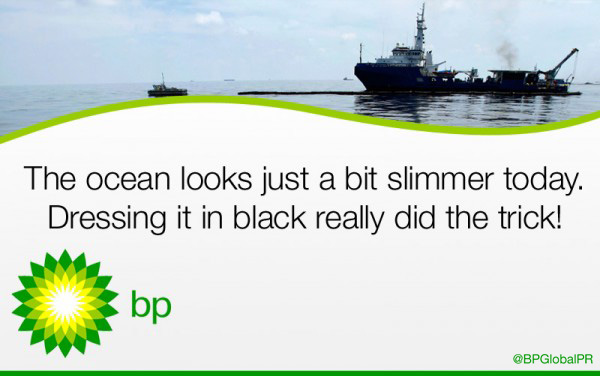
Societies use cultural narratives to communicate worldviews and values. The dominant narrative of a culture influences political reality and reinforces the power of people who already hold the most power. In modern American society, fossil fuels play a large role in the dominant narrative. Through text and imagery, fossil fuel corporations reinforce the narrative that fossil fuels are necessary for economic and social prosperity.
Via I Ride the Harlem Line.
However, activists can use narrative power to shift assumptions. Organizers can use stories to describe shared values, connect members, communicate emotion, and inspire action. As abolitionist organizer and author Mariame Kaba said, “You can think of something totally fucking different. Why are you all stuck in the present moment? You can dream a future.”
In organizing, there are three types of stories: the story of self, the story of us, and the story of now. The story of self is why an individual is participating in the movement. The story of us is how the group or community is called together in terms of purpose, goals, and vision. The story of now is why it is important to take action now to tackle the challenge the community faces. All three build a narrative around the group’s success.
On a societal level, shifting cultural narratives sets the stage for social, political, and cultural change. It is possible to shift the cultural narrative from “Fossil fuels are inevitable and we can never stop using them” to “We can shift to renewable energy to limit the harm from climate change and make a better world for everyone.”
Two approaches to storytelling are focusing on solutions and helping people explore their own visions of the future.
Solutions journalism and storytelling
Solutions journalism highlights and analyzes solutions, not only problems. It helps people see paths forward and feel empowered. Even if we as communicators and organizers aren’t journalists, we can learn from its principles. There are two primary characteristics of climate solutions journalism: humanize and localize.
One way to accomplish both of these is to focus on community action. To counter the idea that climate change is affecting people in other places, tell stories about what people are doing in your local area. Highlight local activists, community groups, and relevant policymakers. If a solution appears effective, show the evidence that it has an impact. Consider how the people you are communicating to can use this information. Help people see themselves and other people like them in the story.
Helping people tell their own stories
Creating opportunities for people to tell their own stories and create their own visions can be a powerful tool. The UPenn study looking at the approaches to encourage action found that strategies that inspired people to think about the future had the strongest effect on intentions to take both individual and collective action. Other studies have also shown that thinking about what you want for future generations reduces the perceived distance between you and climate impacts, which further motivate action.
One of the major activities in that category was imagining yourself facing negative impacts of climate change. This action, which increased anger, fear and perceived risk, had the biggest impact on people’s overall intentions to take action on climate change.
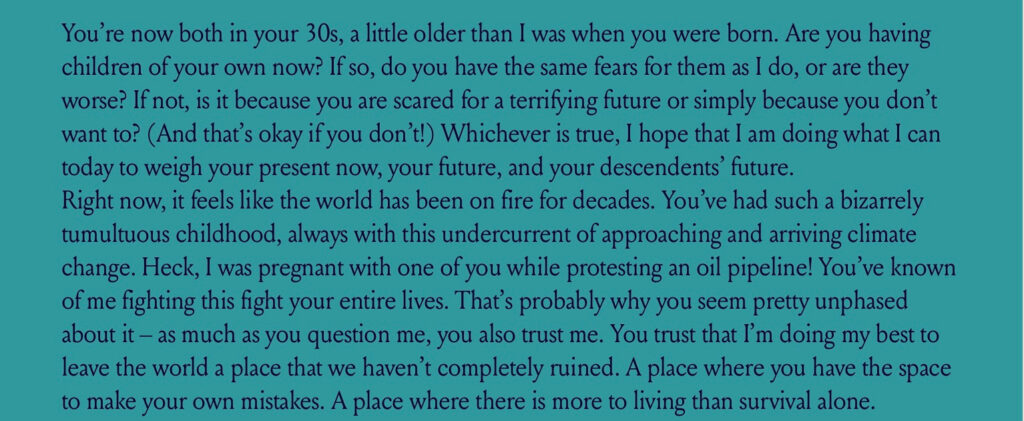
Another major activity was a “Letter to a Future Generation.” Participants wrote a letter to a child they knew as if that child would read it as an adult. In this letter, they described what their hopes were and what work they were doing to move towards a sustainable future. Writing a letter increased anger, hope, and determination. This tactic came in second in terms of influencing people’s intentions to take action. It also had the biggest influence on people being interested in sharing a climate change-related petition.
Other storytelling approaches
Climate fiction, art, and gaming are all other ways to express stories about climate change. Climate fiction – whether a cautionary dystopic tale or an alternative vision of solarpunk – can help readers imagine alternative futures. Art can evoke emotions and allow people to connect to science personally. Both tabletop and digital games allow people to experiment with approaches that wouldn’t be possible in real life. These forms of storytelling can also reach audiences that the other types wouldn’t, including younger audiences.
Tips for telling stories and communicating narratives
- Embrace proven narratives in your messaging:
- Transformation: Our communities can shift to systems that are better for everyone.
- Phasing out: There is no miracle technology that we need to develop; we need to just phase out fossil fuels, move to renewables and improve efficiency.
- Justice: We need to transform systems, not just adapt to the harm.
- Progress: Nature-friendly, low-carbon, resilient development is already improving people’s lives right now.
- Security: Investing in a clean future is and will make your life better.
- Lead first with a shared value. People will tune out once they start reading about bad news. Leading with shared values, like wanting children to be safe, draws people in without driving them away. In a study across 23 countries that interviewed 60,000 people, the biggest motivation for tackling climate change is people wanting to protect what they love, especially the next generation.
- Instead of promoting individual actions to achieve sustainability, move towards stories emphasizing how the fossil fuel interests have manipulated and controlled our systems.
- Be clear about who the heroes and villains are. Point out who created and reinforces these systems – use active voice. Highlight people who are acting for change.
- Provide opportunities for people to share their own stories of how climate affects them and why they got involved.
- Consider ways to help people form their own visions of the future.
- Tell stories of people in your community and other communities who are taking action.
Examples of projects or communications that emphasize vision
- Dear Tomorrow: A project focused on writing letters to the future. The group also works with other organizations to run events and train them on how to organize their own.
- Climate games: Daybreak, Skylines Game, Solar Gardens, Subway Builder
- Planet Forward: A platform for solutions journalism articles by students.
- Imagine 2200 on Grist: Short stories that address possible futures in the year 2200.
- Rebranding wind turbines in Palm Springs: The city of Palm Springs has changed the narrative around wind turbines, making them a point of pride and beauty.
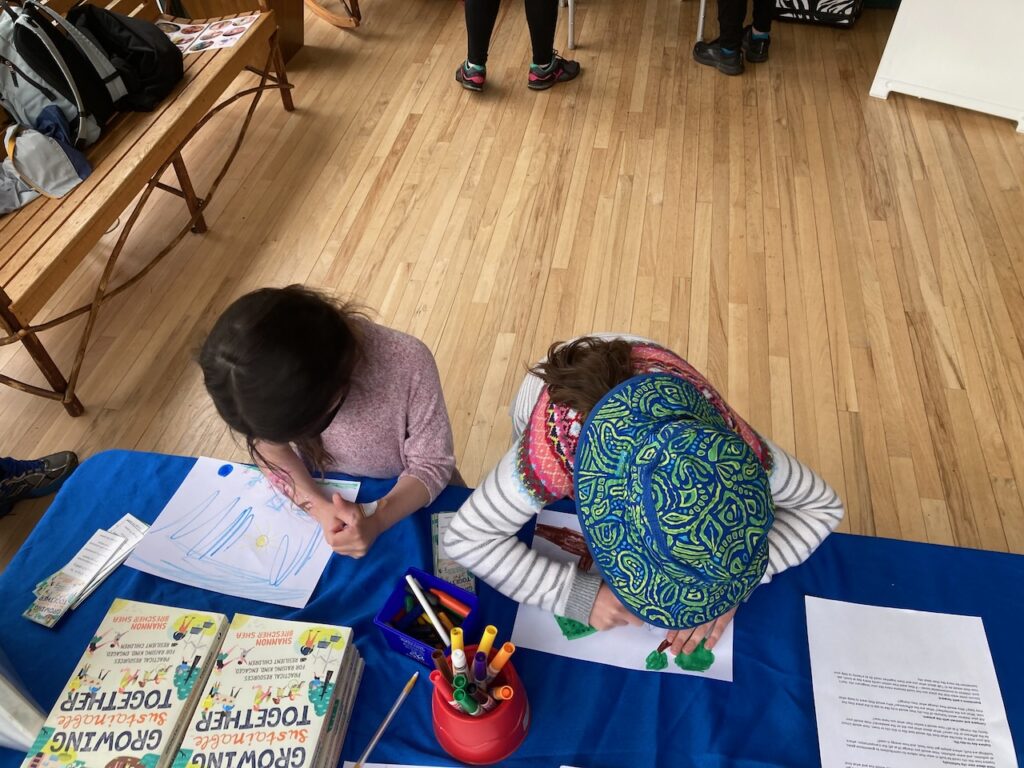
- Drawing and building sustainable cities: An activity to do with kids that helps them envision the type of city they would like to live in.
- The Hope Hub from 350.org: Success stories and solutions from around the world.
- Actions for Healthy Waterways: Collective community storytelling in Aotearoa New Zealand.
Perceived impacts and benefit
One of the most challenging narratives to counter is the idea that fossil fuels are inevitable. Either there is nothing we as individuals can do to change our dependence on them or it all depends on individual actions. Even when there are policy solutions, they aren’t visible to most people and there seems to be little space for them to be involved. To motivate and enable action, we must show people that they can have an impact. People have to hold two major beliefs: 1) that a collective group can make change and 2) there will be a personal benefit.
Building collective efficacy
Western culture sends the message that people must solve global problems by themselves. However, that attitude keeps people from taking action or burns them out. Instead, we need to believe a group can have an impact, called collective efficacy. Unlike self-efficacy, researchers have found that belief in collective efficacy is positively related to both fear and anger. Hope associated with collective efficacy supports both individual and collective action. Collective efficacy also leverages the fact that most people want to trust others and believe they have good intentions. Cynicism inspires apathy; trust inspires collaboration.
Believing a group can have an impact depends on a person’s judgment of the group’s expertise, competence, and skill. Collective agency emerges not from the sum total of the skills of the people in a group but from their relationships and interactions.
Tips to build collective efficacy
- Emphasize how many other people care about climate change and how if we all work together, we can make a difference.
- Speak to people being involved in a broader community effort rather than having to do it on their own. People often have trouble seeing their behavior as part of a larger system; expanding that viewpoint can reduce feelings of helplessness.
- Highlight and celebrate successes, especially stories of community actions.
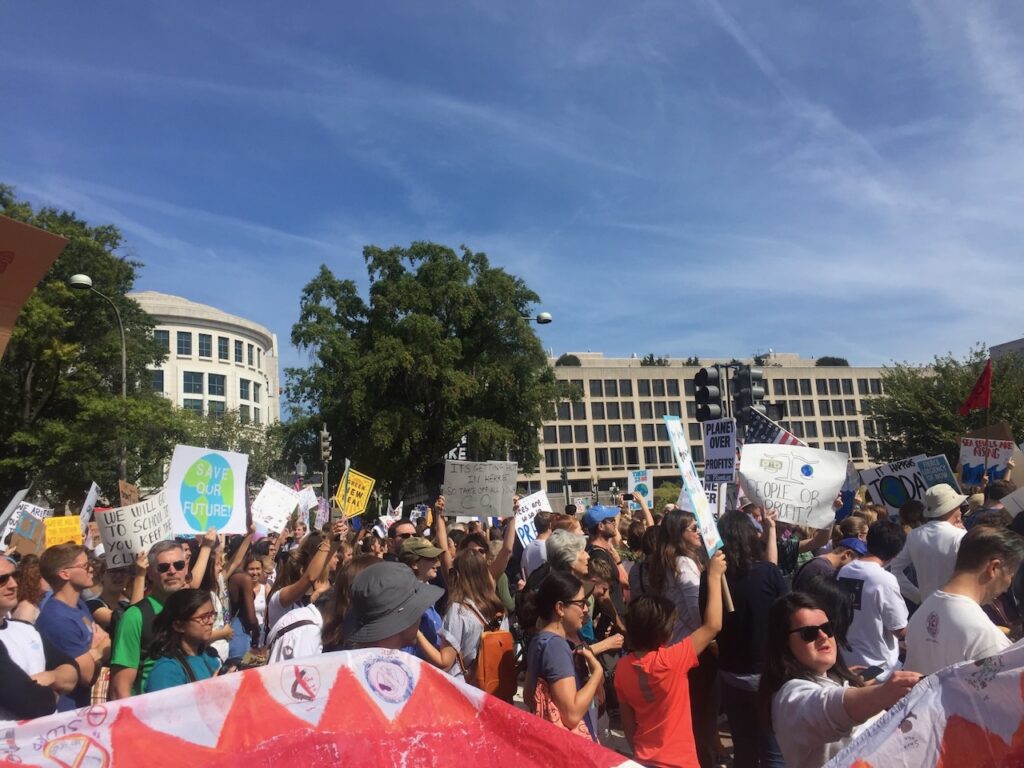
- Show other people taking collective action. 350.org encourages people to send in photos of their actions and then shares them on social media.
- Don’t be modest about your organization’s or the movement’s wins. Use strong verbs to take credit for your successes and their benefits. Use qualitative and quantitative data to show what you have done and have made a difference.
- Help people see how they can use their own resources to solve the problem rather than telling them what to do.
- Provide opportunities for people to build trust through collaborative projects.
- Demand changes that are specific, concrete, measurable, and significant. Having clear goals is essential to achieving and demonstrating results.
- Choose goals and campaigns that are winnable. You can be idealistic and radical, but if goals are too vague or impossible, people will not want to participate.
- Show how the group’s work will shift power in a community for lasting change. People want to be part of something that will have long-term effects.
- Demonstrate how efforts can snowball and multiply beyond the sum of its parts.
- Demonstrate the legitimacy of the work you do and how it has the potential to change policy or systems.
Personal benefits
People also want to know their action will provide benefits to themselves. While they should benefit if the action is successful, having short-term benefits can motivate action and help people keep it going. For example, the ScienceCounts survey lists the top five reasons people participate in “causes” as: to prevent harmful things from happening (fear), changing things that I don’t think are right (activism), finding joy, giving back to society/community, and reminding myself of what is important (grounding). Similarly, the UPenn study found that brainstorming personal benefits a person could experience in the next six months from environmental behaviors increased self-efficacy and intentions to act.
Some of the shorter-term benefits include: feeling empowered, improving connection with nature, establishing relationships with other people, building or practicing a personal skillset, engaging in creative expression, and having fun. Engagement can also reduce climate anxiety and feeling overwhelmed, a major benefit to getting involved.
Building relationships and a sense of community
People like working together towards a common goal, especially with others who share their values. One experiment showed that when people worked together to put plants in pots, they were more likely to feel connected to other group members, had more of a feeling of collective efficacy, and were more likely to engage in group climate and renewable energy actions in the future.
Collective actions addressing climate change also allow people to share their emotions around climate grief and anxiety. Knowing that other people feel like you do can reduce the burden of these emotions and further enable action. Lastly, people are increasingly feeling lonely and isolated. Many people join community and activist groups specifically to build these connections.
Tips for building relationships and a sense of community:
- Create opportunities for people to build ongoing relationships. Provide social time before and after meetings as well as periodic social opportunities without work.
- Organize community events that relate to your mission, such as book and clothing swaps, a block party, or participating in a local farmers’ market.
- Messages around building community and making friends is especially important for audiences who tend to be more isolated, like parents and caregivers.
Building and practicing skills
Organizing involves helping people identify and use their strengths for the good of the group. Many people find fulfillment in building and practicing skills like strategizing, leading people, and communications. Sharpening one’s skills also leads to more self- and collective-efficacy. In addition, empowering a variety of people leads to better solutions and more systemic change.
Tips for promoting building and practicing skills:
- Create and promote an environment where anyone who wants to demonstrate leadership can do so.
- Promote opportunities for people to develop and practice desired skills.
- Trust people when they take on tasks. Provide them the structure to run the task, improve on it, and document it.
- Provide opportunities to learn new, practical skills that both serve your mission and people’s individual goals. For example, citizen scientists on the Chesapeake Bay learn how to collect credible data for monitoring water quality. Community bike shops, repair cafes, and community gardens all offer participants ways to build valuable skills.
Expressing themselves creatively
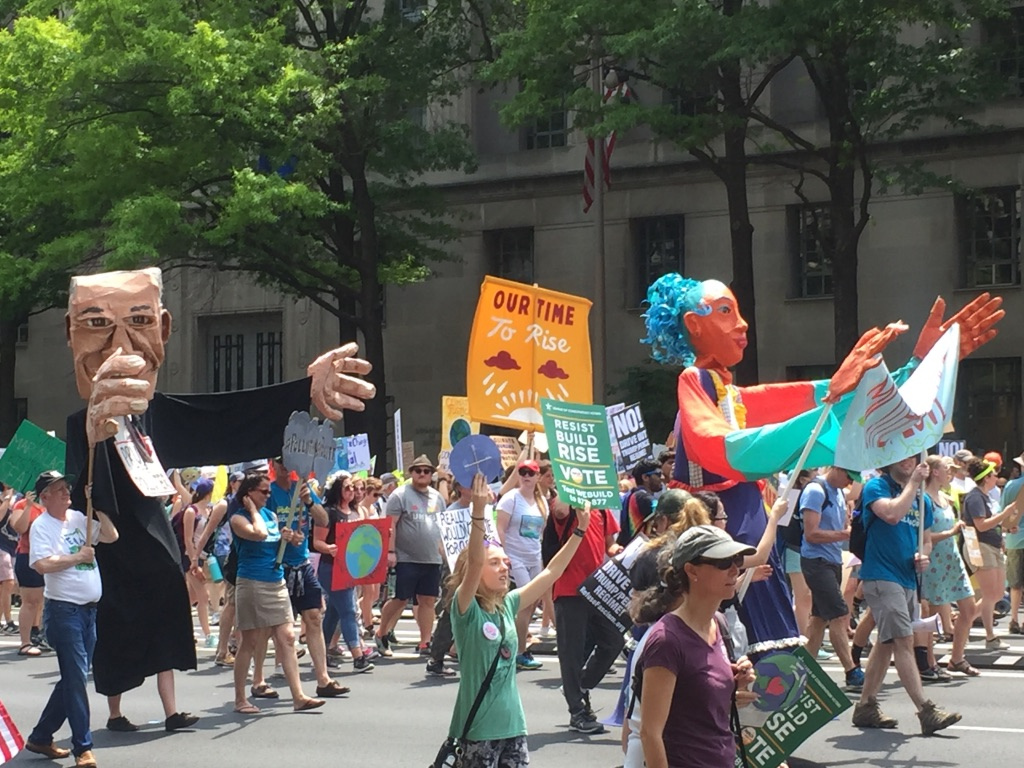
Creative resistance can include music, digital art, public art, literature, theater, and dance. It can be both part of formal protests – such as puppets or banners – or making statements in creative spaces such as art galleries. Creative expression often involves storytelling and allows people to imagine alternative futures. For many people, collective action with a creative aspect will be much more appealing and approachable than one without it.
Connecting to the land/nature
Many climate change advocates and activists have a strong relationship with the non-human environment and see themselves as part of ecological systems. Collective actions that allow people to spend time in nature can provide the mental and emotional health benefits of spending time in green spaces in addition to the benefits of the action itself.
Finding enjoyment and fun
Long-term collective action is impossible if it is only depressing, hard work. Groups need to show that they have a sense of enjoyment and fun, even if the subject matter is serious. One study found that enjoyment of an environmental activity had a positive relationship with an increased understanding of the need to reduce emissions. Participants who enjoyed the activity were also more likely to pledge to change their behavior. Joy also connects you with other people and your community. In New York City, much of the success of Zohran Mamdani’s mayoral campaign has been attributed to his community-oriented events. A broad variety of people could enjoy themselves at these events and connect with others.
Examples of impact and personal benefits
- Climate Festivals in India provide people an opportunity to engage with climate change through creative means: art, movies, theater, and folk-art. Other events include connecting with nature through nature walks, mushroom collecting, and traditional Indian games using seeds and shells.
- This mural project to promote community solar organized by the Sierra Club Idaho chapter connected together young people to support their strengths.
- A musician in Cheatham County, Tennessee wrote a protest song against a proposed natural gas plant, which became a rallying cry and helped the fight go viral.
- The BP or Not BP? campaign to remove fossil fuel support from museums and the arts focused on theatrical performances in public places as a form of civil disobedience.
- Community-building is described as the motivation for many people participating in on-the-ground collective actions, including the Garden Art Party in Baltimore, participants in the Old Ladies Against Underwater Garbage group who dive for litter, and efforts to thrift Halloween costumes for a community costume library.
- Many projects focus on building a connection to a local area and nature:
- Other co-benefits to climate action can include:
- Food security: free grocery stores that reduce hunger and community agriculture in Puerto Rico
- Protecting people from militarized action: Walking school buses to protect kids from ICE
- Cleaning up the soil: Restoring soil in community workshops in LA
- Improving indoor air quality: Replacing gas stoves and furnaces
Practical Examples
Example 1: Family Earth Day Scavenger Hunt
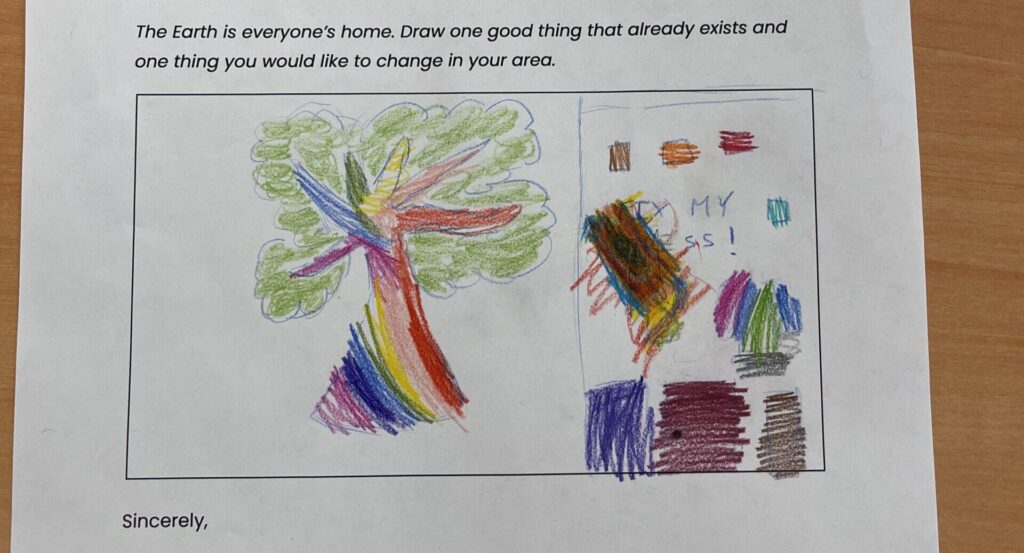
Description: With Chesapeake Climate Action Network, I organized an environmental scavenger hunt for families on the weekend after Earth Day 2025. Items included “A place you could get books on saving energy,” “A street you would feel safe biking on,” and “A piece of garbage on the ground.” Afterwards, children drew pictures of what they would like to see more and less of in the city that would be presented to the mayor.
- Self-perception: The activity built self-efficacy for both children and adults for how it directly engaged them in action and was simple. It tapped into a sense of identity by directly targeting families with younger children.
- Vision: The scavenger hunt encouraged parents to notice what was around them that was both good and bad. The drawing exercise helped them think about what they would like to see in the future.
- Perceived impact: By formatting the pictures in a template addressing the mayor and delivering them to the city’s mayor, it increased the sense of collective efficacy and potential impact. In terms of individual benefit, it provided a fun, engaging activity for parents to do where they could bond with their kids and pass on important values.
Example 2: Rockville Bicycle Advisory Committee table at the Montgomery County Family Bike Festival
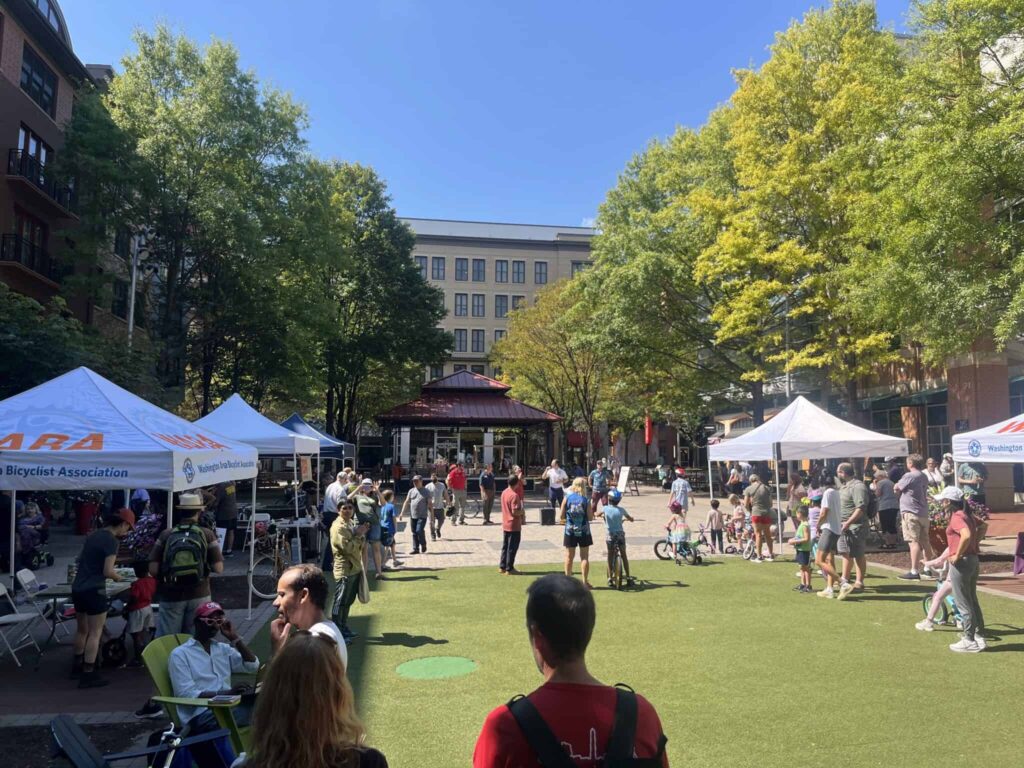
Description: With the Washington Area Bicyclist Association, I organized the first Montgomery County Family Bike Festival on September 14, 2025. The Rockville Bicycle Advisory Committee had a table set up to provide information and engage participants in local action.
- Self-perception: The festival itself targeted families, particularly those with younger children. Many bicyclists consider biking as an important part of their identity.
- Vision: At the table, there was a sign that read, “Biking in Rockville is great – but it could be better!” The people at the table encouraged participants to write down ways that they would improve biking in the city, especially in the context families. There was a large mounted map of the city that people could reference or put sticky notes on as places to improve. This helped people envision a different future than the current reality.
- Perceived impact: The table and representatives explained that RBAC works directly with the city to provide feedback on how to improve cycling, increasing collective efficacy. In the future, it would be good to have a list of the group’s accomplishments so that people can feel more confident in the group’s ability to follow through with suggestions.
by Shannon Brescher Shea, science writer and climate communicator
All photos by the author unless indicated otherwise.
See the Appendixes for Theoretical Background, Interviews and Cited Works.